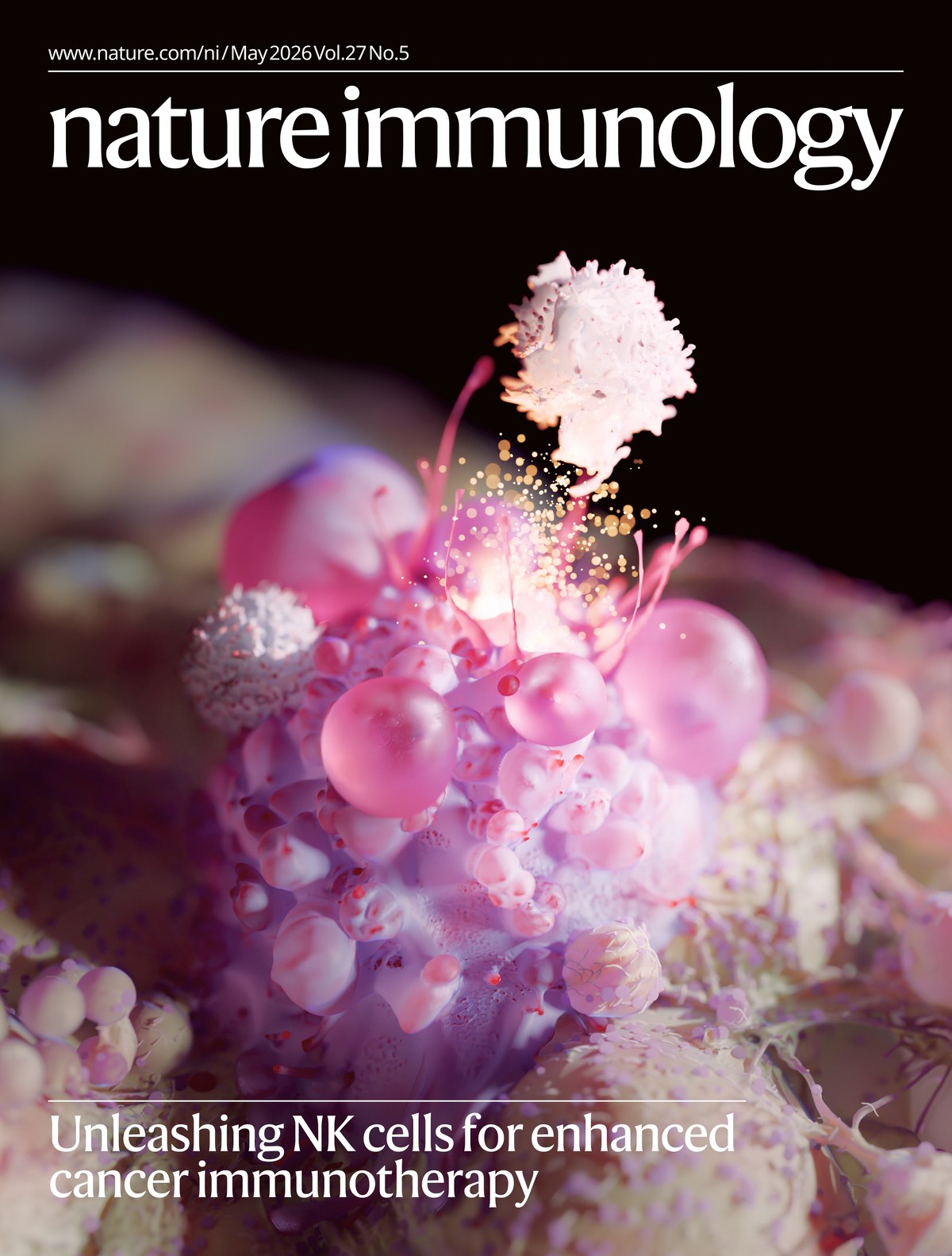
Identification of CLEC12B as an NK-cell immune checkpoint and a CLEC12B-targeting nanobody for cancer immunotherapy.
Sun C and colleagues · Laboratory of Immunotherapy, USTC.
DOI: 10.1038/s41590-026-02471-0 →We map where natural killer cells win and lose inside human tumors — then build the spatial immune intelligence that turns that logic into the next generation of cancer immunotherapy.
An immune cell's behaviour is written by its neighbourhood. We read that neighbourhood across human tissue at scale — and rebuild it with engineered molecules.
Two decades dissecting the activating and inhibitory logic of human NK cells in the liver and beyond — the checkpoints that switch killing on and off.
Multiplex imaging and spatial omics resolve where immune cells succeed or fail; machine learning turns them into quantitative, predictive maps of the human anti-cancer response.
From spatial signature to mechanism: identifying and validating previously unknown immune checkpoints — CLEC12B, SAMSN1, and a growing list.
Nanobody and multispecific engineering converts target biology into candidate therapeutics for hepatocellular carcinoma, lung cancer, and other solid tumors.
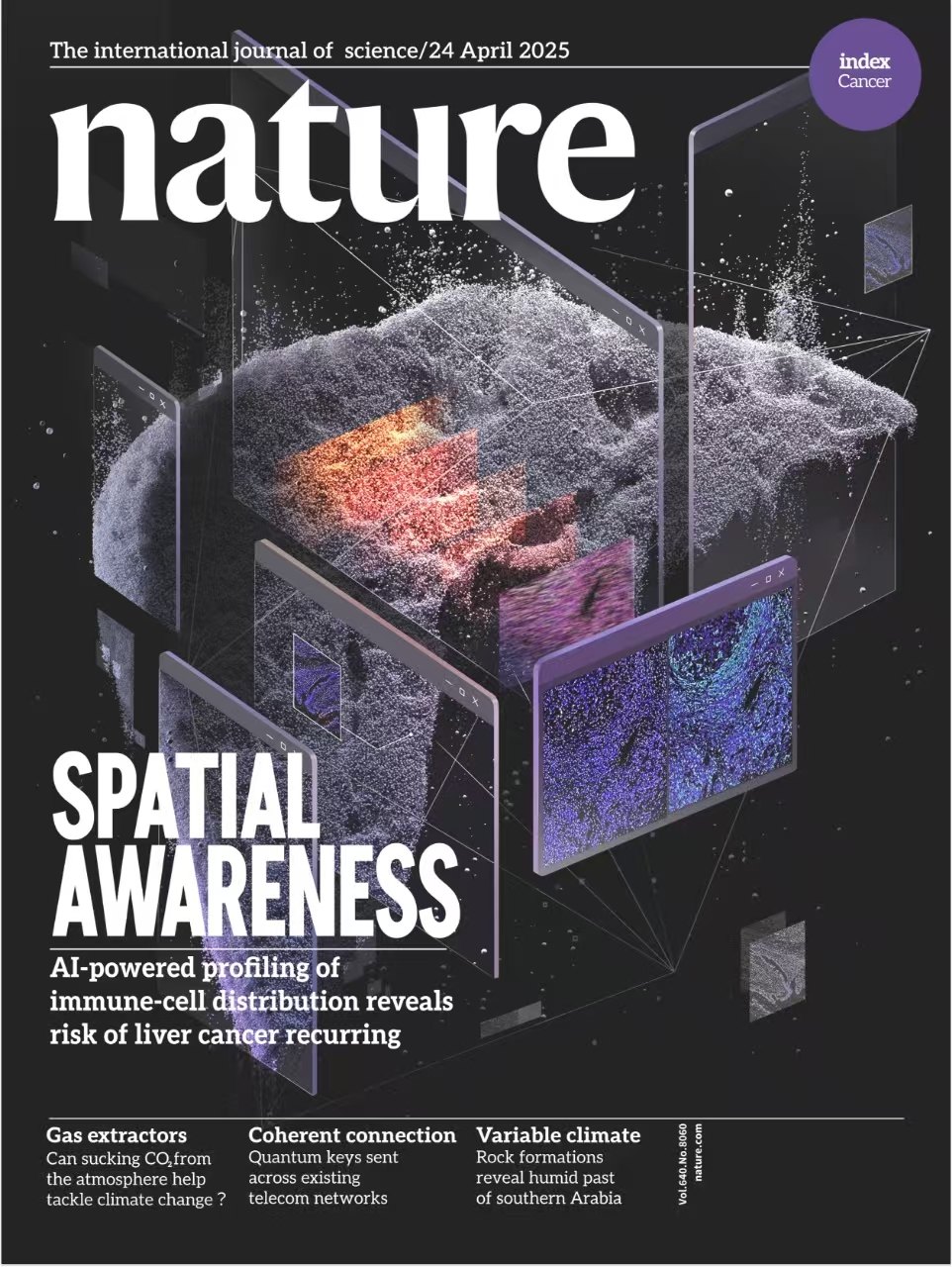
An AI-native spatial immune-scoring platform that turns a single tissue section into a prognostic map of the anti-tumor immune response. Published on the cover of Nature (2025) and named among China's Top Ten Scientific Advances, it is now run by research groups worldwide — and forms the diagnostic backbone of our translational programs.
Each discovery enters the same engine: spatial biology defines the target, antibody engineering builds the molecule, and TIMES selects the patients most likely to respond.
Open to co-development, out-licensing, and translational collaboration on platform and pipeline programs.
Sun C and colleagues · Laboratory of Immunotherapy, USTC.
DOI: 10.1038/s41590-026-02471-0 →Sun C and colleagues.
DOI: 10.1038/s41586-025-08668-x →Sun C and colleagues.
DOI: 10.1038/s41467-026-68661-4 →Sun H, Huang Q, Huang M, Wen H, Lin R, Zheng M, Qu K, Li K, Wei H, Xiao W, Sun R, Tian Z, Sun C.
DOI: 10.1002/hep.30347 →
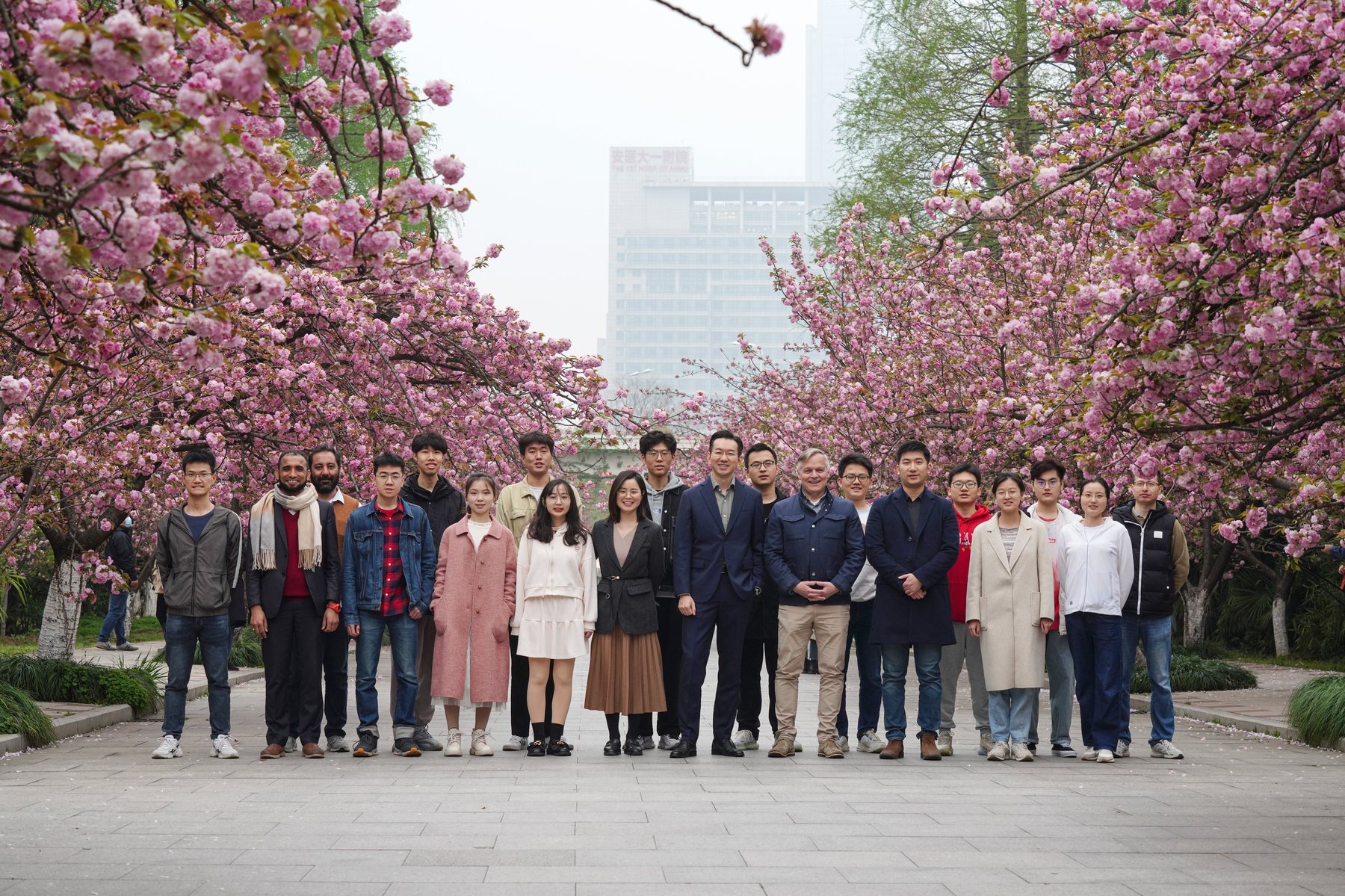
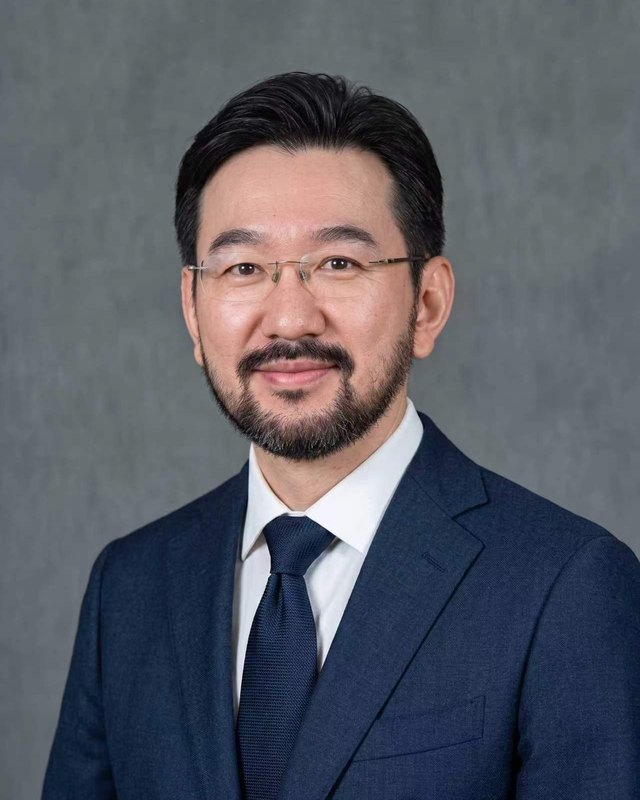
Professor and doctoral supervisor; Director of the Organ Transplant Immunology Laboratory at the First Affiliated Hospital of USTC, within the National Key Laboratory of Immune Response and Immunotherapy. His group studies the immune properties and functional regulation of human liver NK cells, the spatial heterogeneity of tumors at scale, and the discovery and clinical translation of NK-cell immunotherapy targets.
We welcome graduate students, postdoctoral fellows, and research staff in immunology, spatial omics, computational biology, or antibody engineering — and curious people willing to learn at the boundaries. We also welcome partnering, licensing, and translational-collaboration inquiries.